Roof Leak Triage: When a Repair Can Wait and When the Roof Needs Immediate Protection
A roof leak may require emergency protection, urgent inspection, or scheduled repair. The correct response depends on water movement, electrical exposure, structural stability, and approaching weather, not simply stain size.
When does a roof leak require immediate protection rather than a scheduled roof repair?
Immediate protection is necessary when water approaches electrical equipment, a ceiling bulges, decking appears unstable, water spreads rapidly, or damaging weather continues. A dry, isolated stain may wait only while conditions remain stable.
| Level | Observable conditions | Response |
|---|---|---|
| Emergency | Water near wiring, bowed ceiling, unstable structure, open roof, or rapid spread | Leave the area and request immediate professional protection |
| Urgent | Active dripping, displaced covering, wet insulation, or severe weather expected | Arrange prompt inspection and temporary dry-in work |
| Scheduled | Dry stain, flat ceiling, no electrical exposure, and no precipitation expected | Document and schedule diagnosis |
Leave the affected room if water reaches a fixture, outlet, panel, appliance, or sagging ceiling. Do not enter a wet attic or walk on suspect decking. The ANSI/IICRC S500 framework addresses professional water-damage inspection, procedures, equipment, and documentation.
What should a homeowner do inside the house during an active roof leak?
Isolate the area, protect reachable contents, contain clean rainwater only when safe, and document the damage.
- Move people and pets away. Avoid bowed drywall, cracking finishes, and falling material.
- Escalate electrical hazards. Leave if water approaches electrical equipment or if arcing, smoke, or burning odors appear.
- Move reachable contents. Never stand beneath a sagging ceiling.
- Contain water safely. Use a stable bucket only beneath a flat ceiling without electrical hazards. Do not puncture the ceiling.
- Stay off the roof. The National Weather Service says anyone who hears thunder should move indoors.
Leak photographs and a written timeline support repair and insurance decisions
Photograph the water path, room, contents, weather, and mitigation. Record discovery time, affected rooms, contractor contacts, receipts, and discarded materials. Notify the insurer promptly because policy duties vary.
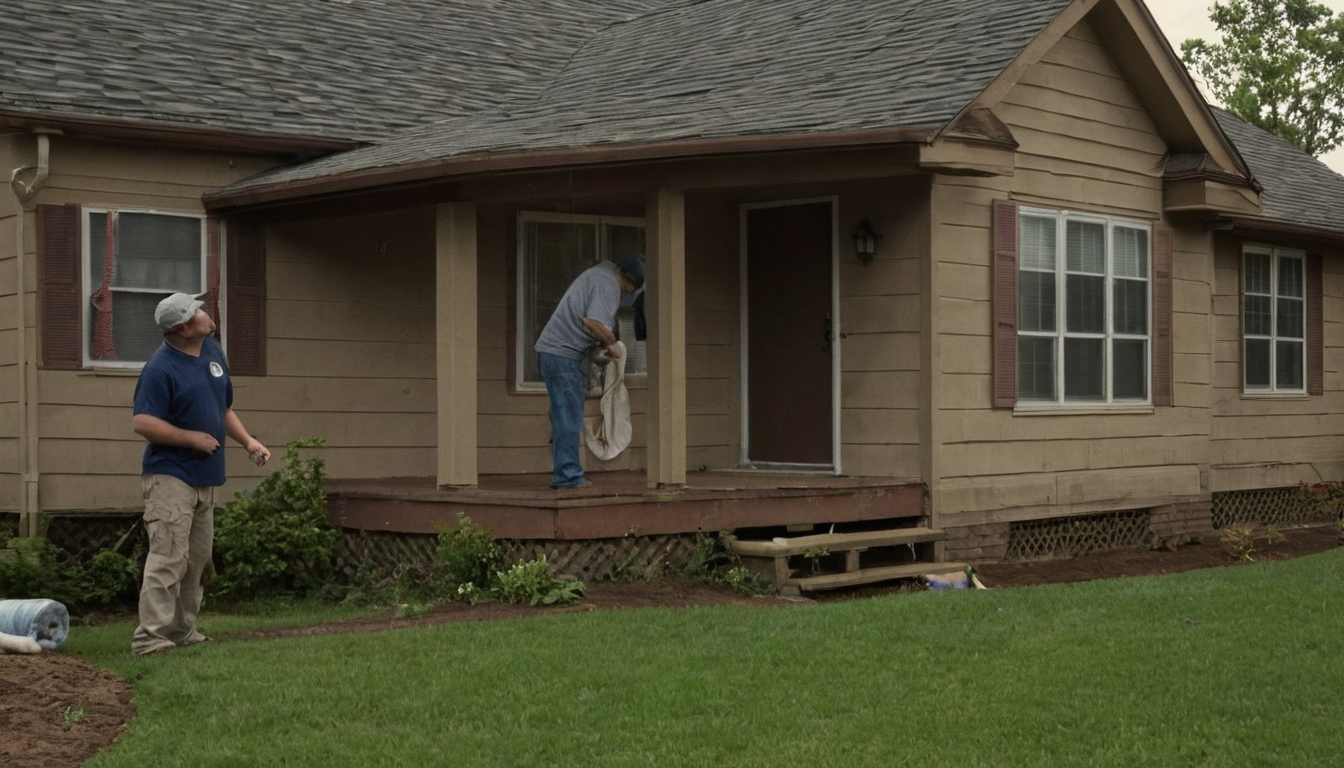
What should a homeowner do inside the house during an active roof leak shown as an editorial planning reference.
Temporary roof protection is a short-term dry-in measure, not a completed roof repair
Temporary protection can reduce water entry but does not prove that decking, insulation, or framing is dry and sound. Tarps require secure edges and drainage-directed overlaps; membranes require clean, compatible substrates. Methods must match the covering, slope, penetrations, and drainage path.
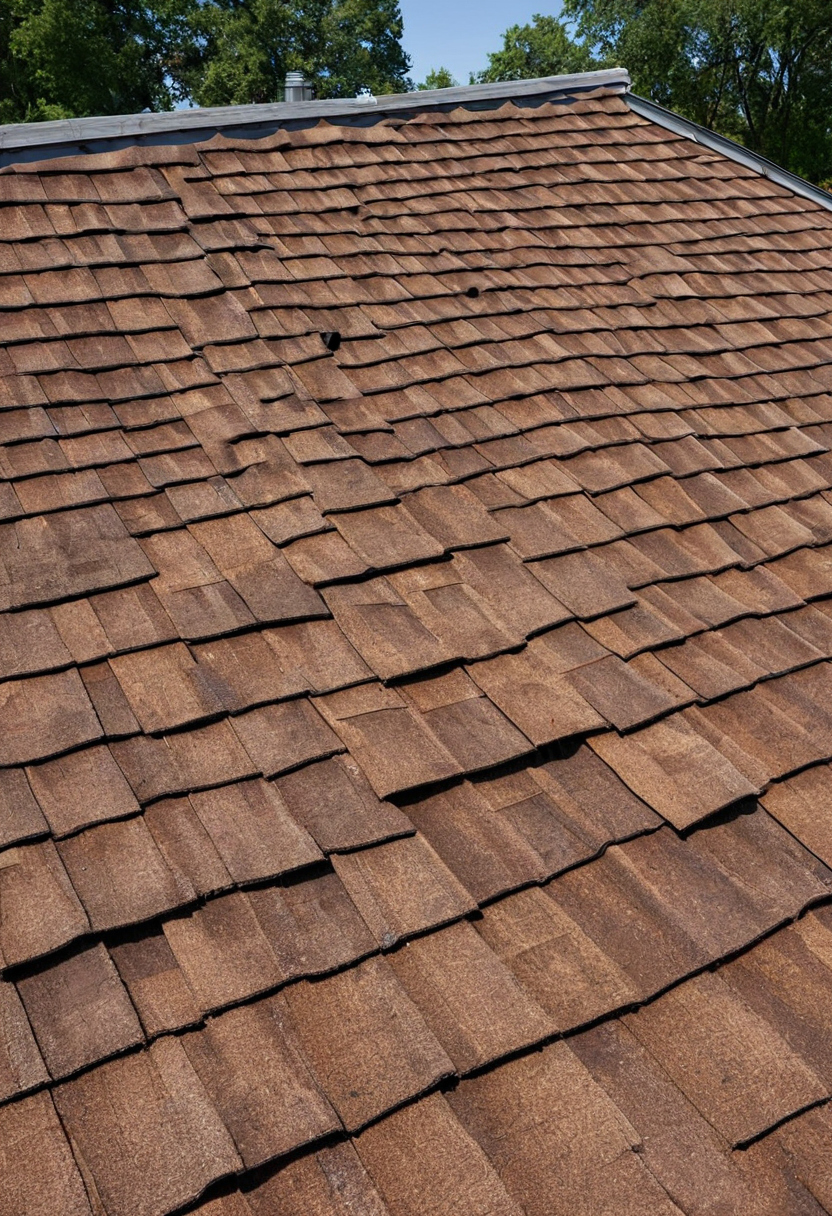
Temporary roof protection is a short-term dry-in measure, not a completed roof repair shown as an editorial planning reference.
Generic sealant can obstruct drainage, conceal failed flashing, or damage incompatible membranes. A roofer should verify preparation, compatibility, drainage, and warranty conditions.
Roof access is unsafe during rain, ice, high wind, darkness, lightning, or suspected deterioration. Wait at least 30 minutes after the last thunder, and remember that wet roofing may remain unsafe. Renewed dripping requires reinspection.
The visible ceiling stain may not identify where the roof leak started
Water can travel along decking, underlayment, rafters, fasteners, and insulation before appearing indoors. Diagnosis should trace the path upslope through valleys, flashings, vents, skylights, walls, and drainage points.
Weather history can help distinguish wind-driven rain, ice-related leakage, condensation, plumbing, and HVAC condensate. Controlled hose testing may isolate a section, but only after access, electrical, and drainage hazards are addressed.
Wet insulation, stained fasteners, softened decking, penetration gaps, delamination, decay, rust, or compromised fasteners require separate assessment. Cathedral ceilings may need selective openings.
Moisture meters and infrared scans are screening tools, not stand-alone proof. Conflicting findings may require selective removal or a test cut.
A localized roof repair is appropriate only when the defect and surrounding substrate are repairable
A localized repair is appropriate when the source is identifiable, adjacent materials remain sound, and compatible flashing or covering can be integrated correctly.
| Decision | Required condition |
|---|---|
| Localized repair | A boot, seam, puncture, displaced covering, or blocked drain can be corrected within sound material. |
| Broader assessment | Multiple leaks, saturation, brittle coverings, widespread fastener failure, or decayed decking extend beyond the visible defect. |
Moldy porous finishes may require removal, according to EPA moisture guidance. Roof work also requires safety controls; 29 CFR 1926.501(b)(1) requires approved fall protection for qualifying construction employees exposed to unprotected edges six feet or more above a lower level.
How should a homeowner compare emergency roof repair near me services, scopes, and costs?
Compare dated scopes rather than headline prices. Estimates should separate emergency stabilization, diagnosis, permanent correction, and related drying or interior work.
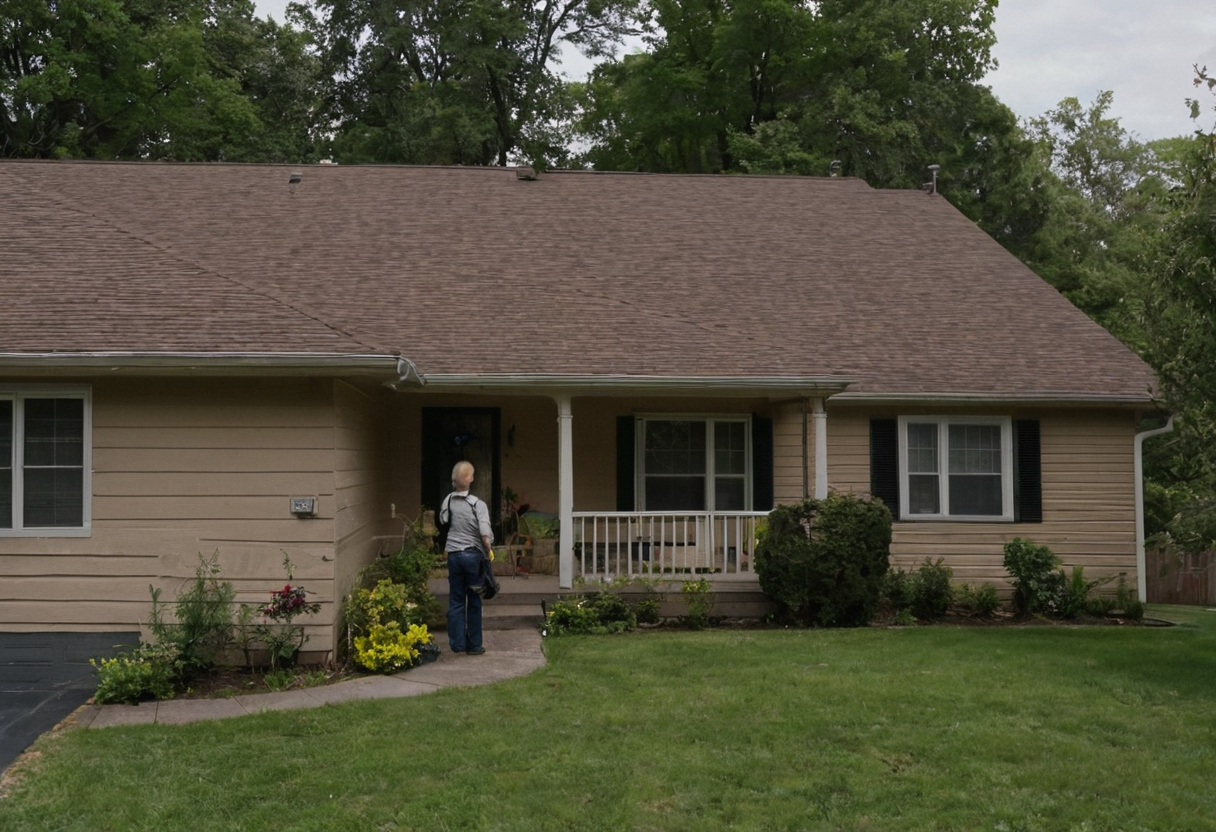
How should a homeowner compare emergency roof repair near me services, scopes, and costs shown with practical context cues.
| Line item | What to verify |
|---|---|
| Callout and access | Response period, equipment, and weather limits |
| Temporary protection | Materials, covered area, expected duration, and exclusions |
| Permanent repair | Covering, flashing, decking, disposal, warranty, and return visit |
| Related services | Drying, electrical work, permits, remediation, and interiors |
Use consistent line items to compare roofing contractor scopes. Request licensing and insurance information where applicable, relevant roof-system experience, and photographs of concealed and exposed conditions.
The EPA recommends drying suitable wet materials within 24 to 48 hours. Quotes should address both the roof opening and concealed moisture.
A roof leak is not resolved until the repair, drying, and concealed damage are verified
Closeout requires inspection of the repaired area, confirmation that affected materials are dry or replaced, and suitable follow-up testing.
- Coverings, membrane laps, flashing, and fasteners are correctly integrated.
- Valleys, drains, scuppers, and gutters remain unobstructed.
- Required permits and inspections are closed.
- Photographs, invoices, warranties, patch records, and receipts are retained.
Verification may include rainfall, controlled testing, attic reinspection, and comparative moisture readings. Drywall, framing, sheathing, insulation, flooring, and exposed electrical components need separate evaluation. Persistent odor, staining, corrosion, visible growth, elevated readings, or renewed leakage requires further assessment.
Frequently asked questions about roof leak triage
How long can a roof leak continue before insulation, decking, or interior finishes are damaged?
Damage can begin during the first wetting event. Its rate depends on water volume, material porosity, ventilation, temperature, and repeated exposure.
What can a homeowner safely do with an active leak while waiting for a roof repair or replacement?
Isolate the room, move reachable belongings, document conditions, and contain clean rainwater only beneath a stable ceiling without electrical hazards. Stay out of wet attics and off the roof.
How can a roof leak go unnoticed, and what signs suggest concealed moisture in an attic or ceiling?
Insulation and framing can absorb or redirect water. Musty odors, peeling paint, rusty fasteners, compressed insulation, recurring stains, softened decking, and unusual moisture readings justify inspection.
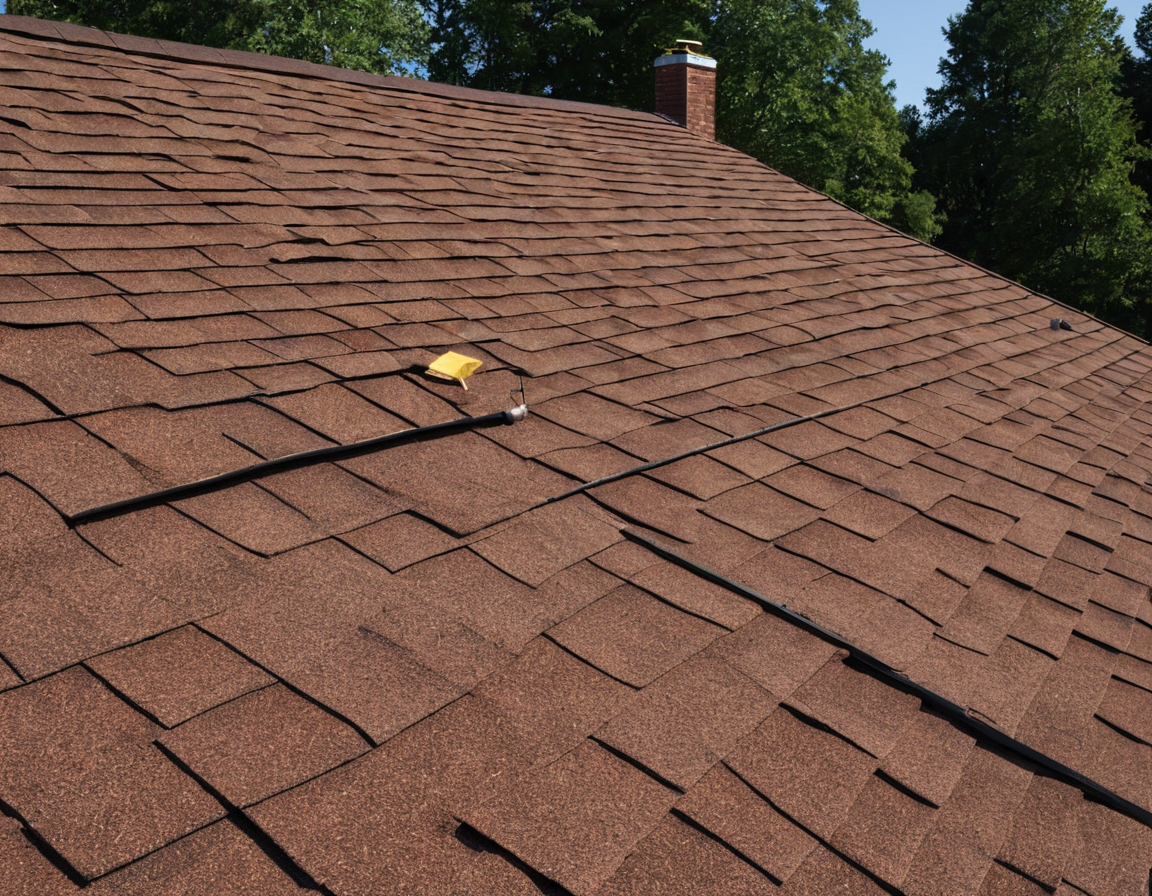
Frequently asked questions about roof leak triage shown with practical context cues.
What should a homeowner document and report to an insurance adjuster after emergency roof mitigation?
Record discovery time, weather, affected rooms, photographs, contractor reports, patch details, receipts, removed materials, and communications. Follow the policy’s notice and proof requirements.
Does a small ceiling stain need emergency roof repair, or can it wait for a scheduled inspection?
A dry, unchanged stain may wait if the ceiling is flat, electrical equipment is clear, and severe weather is not expected. Active dripping, growth, sagging, electrical exposure, or approaching weather requires faster protection.