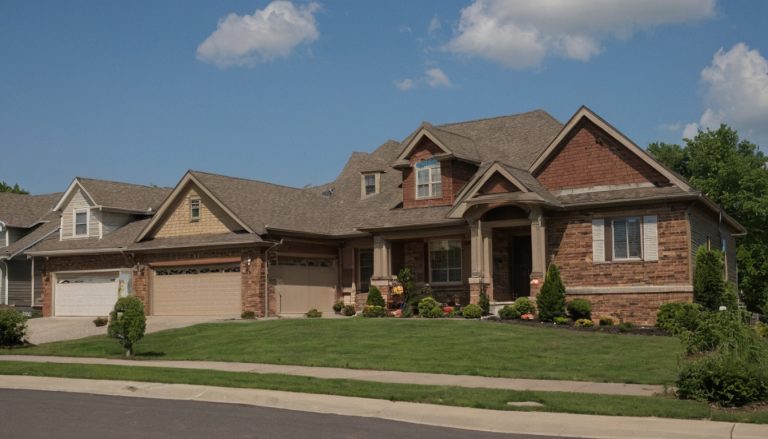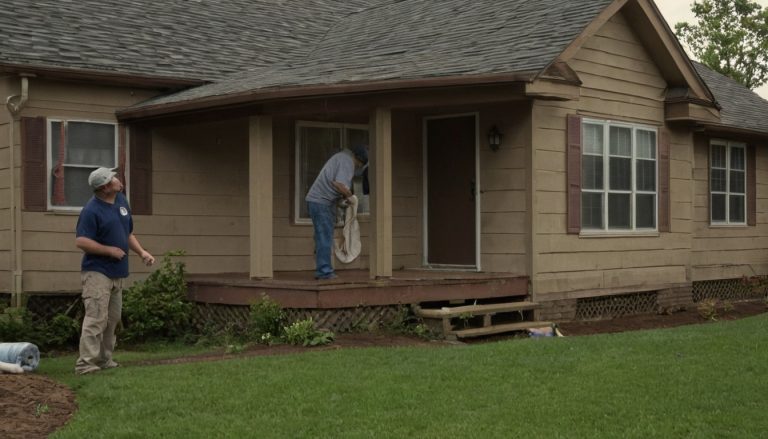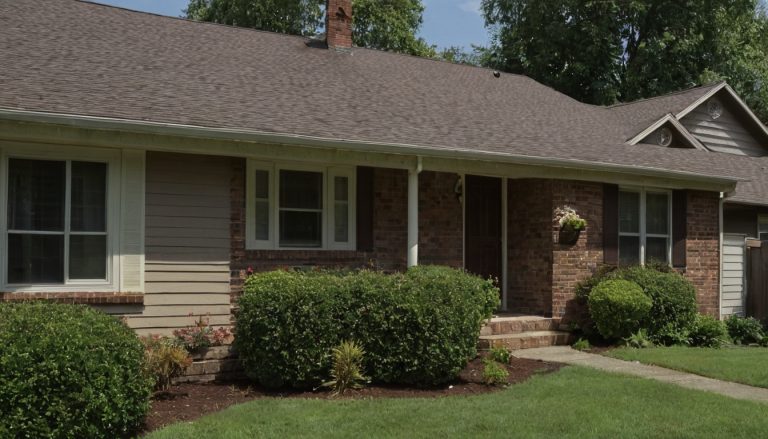
Repair One More Time or Replace? A Roof-Level Cost Test for Aging Asphalt Shingles
A small patch can become an expensive mistake when the repaired spot survives but the shingles beside it fail next. The useful decision is not whether a repair can be performed. It is whether the repair can buy enough dependable service time to justify another round of access, setup, labor, and risk.
When is one more asphalt-shingle roof repair economically defensible?
An aging asphalt-shingle roof remains a defensible repair candidate only when the defect is isolated, nearby shingles are workable, the deck is sound, compatible products exist, and adjacent areas are unlikely to fail before the planned replacement date.
This test applies to steep-slope asphalt-shingle roofs, not low-slope membranes. Active leakage, electrical exposure, a sagging ceiling, or a storm-created opening requires roof leak triage and immediate protection before cost planning. The U.S. Environmental Protection Agency also advises owners to fix wet or damp areas promptly as part of moisture and mold control.
A roof repair should pass all five threshold checks before cost becomes the deciding factor
| Condition | Owner-verifiable evidence | Repair implication | Replacement implication |
|---|---|---|---|
| Isolated defect | Photographs identify one entry path, damaged detail, or compact shingle area. | A bounded scope is credible. | Scattered defects require roof-wide evaluation. |
| Workable shingles | Surrounding tabs can be lifted without cracking, tearing, or severe granule release. | Access damage should remain limited. | Brittleness can expand the repair boundary. |
| Sound deck | Attic observations and accessible checks show no softness, delamination, deflection, or persistent moisture. | Localized covering work may be enough. | Suspect sheathing supports exploratory removal and replacement pricing. |
| Compatible products | Records or samples confirm dimensions, exposure, fastening zone, seal position, and slope suitability. | A sound tie-in may be possible. | An unavailable specification weakens the repair case. |
| Low adjacent-failure probability | Nearby fields have stable seal lines, intact flashing, limited weathering, and no recurring leak history. | The probable service period may justify the expense. | Several vulnerable zones favor coordinated replacement. |
One failed gate can justify replacement pricing even when the visible defect is small. A technically possible repair means a roofer can install a patch. An economically defensible repair means the expected useful interval justifies access, mobilization, materials, and disruption. Mobilization is the crew travel, safety setup, property protection, and equipment preparation required before productive work begins.
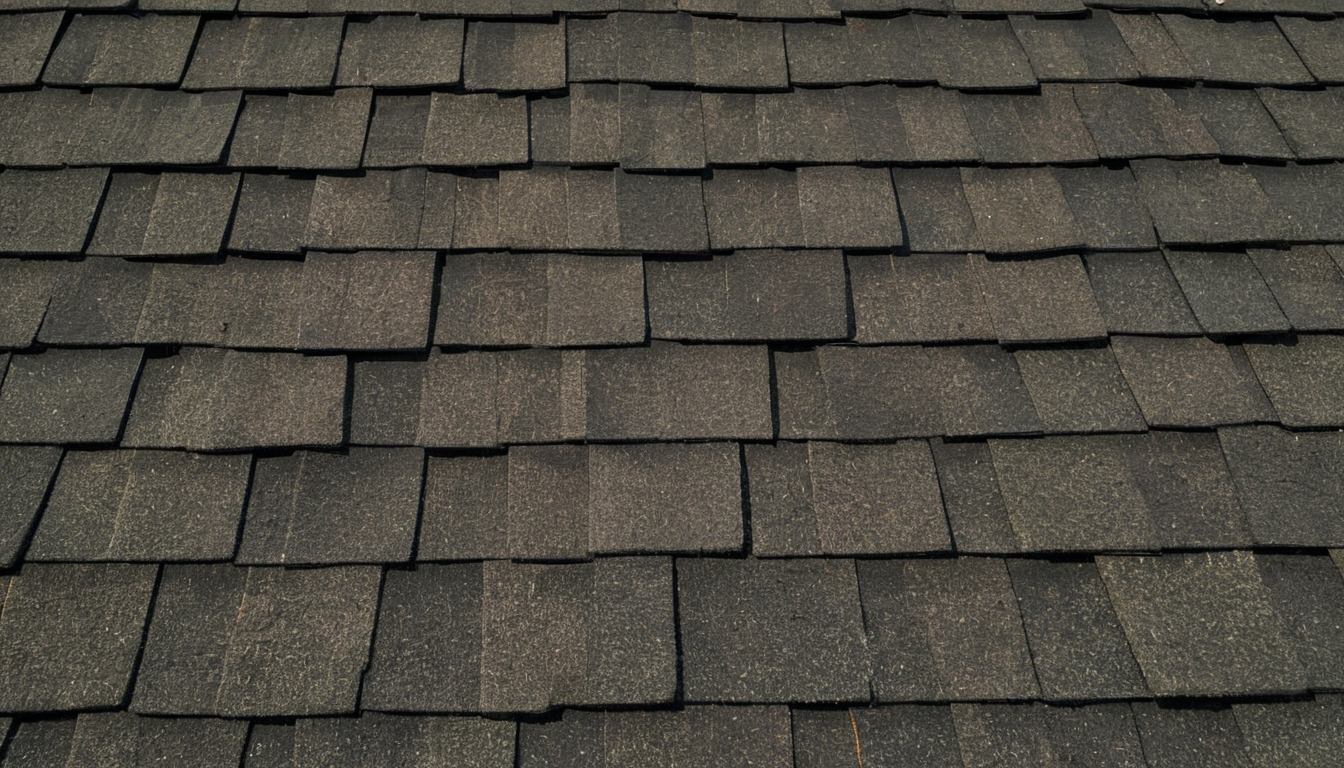
When is one more asphalt-shingle roof repair economically defensible shown as an editorial planning reference.
Roof age is a screening clue, not a stand-alone replacement rule
A roughly 20-year-old roof may still merit repair if it passes the five gates. Climate, orientation, slope, ventilation, installation quality, maintenance, storms, and existing covering layers can leave two roofs of the same age in very different condition.
Ownership horizon matters. A documented repair that reaches a planned sale or scheduled replacement date may have practical value. A short-lived patch followed by years of ownership may only postpone the same capital expense. Local officials should confirm adopted code provisions and allowable roof layers because requirements vary, and a home inspection is not a code inspection. The next question is whether the defect can be reached without damaging the surrounding roof.
Can the roofing contractor isolate the defect without damaging adjacent shingles?
A localized roof repair is credible when the roofing contractor can trace one entry path and remove nearby materials without cracking edges, tearing tabs, or breaking seals across an expanding area.
Brittle surrounding shingles can turn a small roof repair into an expanding repair zone
- Confirm the defect: Missing shingles, exposed fasteners, a limited flashing failure, or localized mechanical damage can support a contained repair.
- Test workability: Workability means surrounding shingles can be lifted and refastened without cracking or exposing the asphalt coating through heavy granule loss.
- Price sacrifice shingles: The proposal should include shingles likely to be damaged while the crew opens access and explain how a larger boundary will be authorized.
- Check sealing conditions: Cold, dusty, wet, or contaminated seal strips may not bond normally. The contractor should follow product instructions for fastening, weather limitations, and any required hand sealing.
Product standards address properties such as pliability, tearing resistance, and nail pull-through resistance, but a compliant new product does not make an old, brittle roof field workable. Similar-looking shingles can also have different installation requirements.
Recurring leaks and multiple defect zones indicate a roof-system problem rather than one failed shingle
- Map old patches and current moisture by slope, valley, eave, penetration, wall intersection, and chimney.
- Treat repeated leaks, broad granule loss, widespread fastener movement, or recurring flashing failures as non-isolated patterns.
- Ask the contractor to connect each conclusion to visible evidence involving flashing, installation, weather exposure, ventilation, or aging.
- Avoid firm rooftop conclusions when the surface is wet, snow-covered, inaccessible, or unsafe to walk. Use attic evidence and safer exterior viewpoints.
Deck softness or moisture changes the roof repair decision
Staining, elevated moisture, sheathing deflection, delamination, rot, or softness can make a surface patch incomplete. Shingles, underlayment, flashing, and sheathing function as one system, so suspect decking may justify limited exploratory removal. The proposal should include a deck-replacement unit price and a photographic approval procedure.
Do matching shingles, flashing components, and warranty-compatible materials still exist?
Material availability supports repair only when the replacement product is compatible in function, not merely close in color.
A color mismatch is different from a shingle specification mismatch
- Identify the roof: Record the shingle type, approximate installation date, number of layers, and manufacturer if known. Check wrappers, invoices, warranty records, photographs, and attic stock.
- Compare specifications: Verify length, width, profile, exposure, nailing zone, seal-strip position, and permitted slope. Asphalt shingles must satisfy applicable product and test standards, but code compliance alone does not prove compatibility with an existing roof.
- Separate appearance from performance: A discontinued color does not automatically require replacement, although homeowners association, historic-district, insurance, or resale considerations may affect acceptance.
- Inspect stored materials: Reject shingles with uncertain identity, distortion, cracked edges, moisture damage, stuck bundles, or poor storage history.
Flashing should be evaluated as part of the repair rather than concealed by sealant
- Distinguish replacement, careful reuse, and sealant-only treatment for step flashing, counterflashing, valleys, pipe boots, sidewalls, and chimneys.
- Confirm how shingles, underlayment, and flashing will be integrated.
- Ask whether mixed products or altered fastening and sealing methods affect warranty coverage.
Once compatibility is established, cost can be compared against the probable service time the repair is expected to buy.
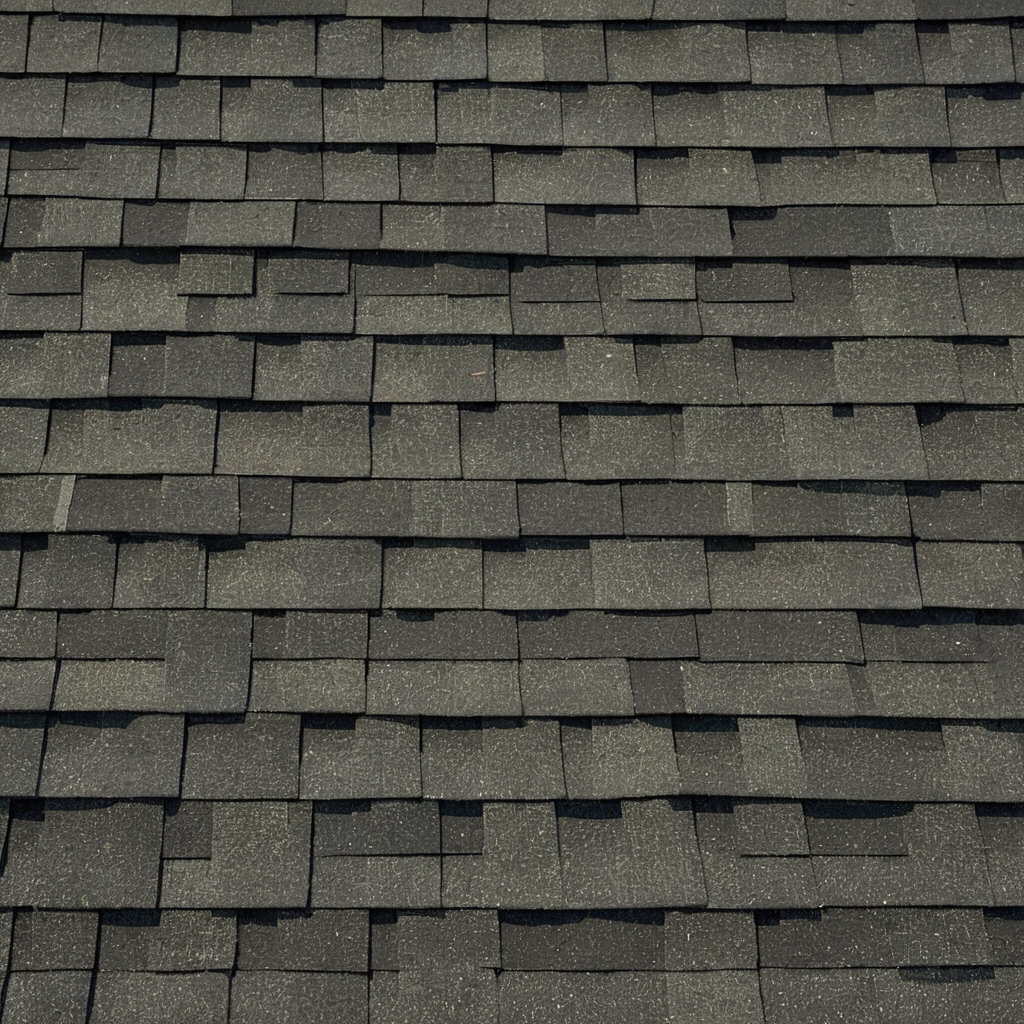
Do matching shingles, flashing components, and warranty-compatible materials still exist shown with practical context cues.
How should owners compare roof repair cost with roof replacement cost?
Compare each option over the owner’s decision horizon, including mobilization, access, permits, concealed damage, interior-loss exposure, and likely follow-up work. A probable service period is a planning estimate, not a guarantee.
A roof-level cost worksheet should place repair and replacement scopes side by side
Request current pricing for the project’s region and normalize every proposal to the same measured slopes. Conditioned floor area is not roof area because pitch, overhangs, attached structures, and installation waste change roofing quantity.
| Worksheet item | Repair proposal | Replacement proposal |
|---|---|---|
| Measured scope | Affected slopes and repair boundary | Total roof area and tear-off layers |
| Roofing system | Shingles, underlayment, flashing, and seal work | Shingles, underlayment, flashing, ventilation, and required barriers |
| Site costs | Service call, access, labor, materials, and permit | Tear-off, disposal, staging, protection, and permit |
| Uncertain work | Expansion caused by brittle adjacent shingles | Decking, extra layers, flashing, and required corrections |
| Closeout | Cleanup, warranty, and exclusions | Cleanup, warranty, and exclusions |
Installation requirements can vary with climate, manufacturer instructions, adopted code, and the local building department. Verify local rules for sheathing, fastening, ice barriers, ventilation, roof layers, and required fire or wind classifications before comparing totals.
Repeat mobilization can make several small roof repairs more expensive than they appear
Repair burden equals the current repair plus likely repeat work during the decision horizon, judged against the probable service period gained. Several inexpensive invoices can become costly when each includes another service call, setup, inspection, and access cycle.
Steep or high roofs, solar panels, limited parking, difficult staging, protected landscaping, occupied-building restrictions, and remote access can increase repeated mobilization. Separate those charges from productive labor, materials, equipment, permits, and emergency premiums.
Decking allowances and concealed conditions should be modeled before approving replacement
A replacement bid should state the included decking quantity, unit price for additional sheathing, photographic approval process, and change-order procedure. It should also separate extra tear-off layers, flashing, ventilation corrections, disposal, and code-related work. Otherwise, an unrealistically low replacement total can distort the test.
What inspection and proposal details should shingle roofers provide before the owner decides?
Qualified shingle roofers should document the likely leak path, repair boundary, adjacent shingle condition, deck findings, flashing scope, material match, foreseeable exclusions, and limits of diagnosis.
A roofing contractor should state what the roof repair does not include
Request roof-plane photographs plus close-ups of the defect, surrounding shingles, flashing, previous patches, and accessible attic evidence. The proposal should label the work as diagnostic, temporary, or intended as a durable repair.
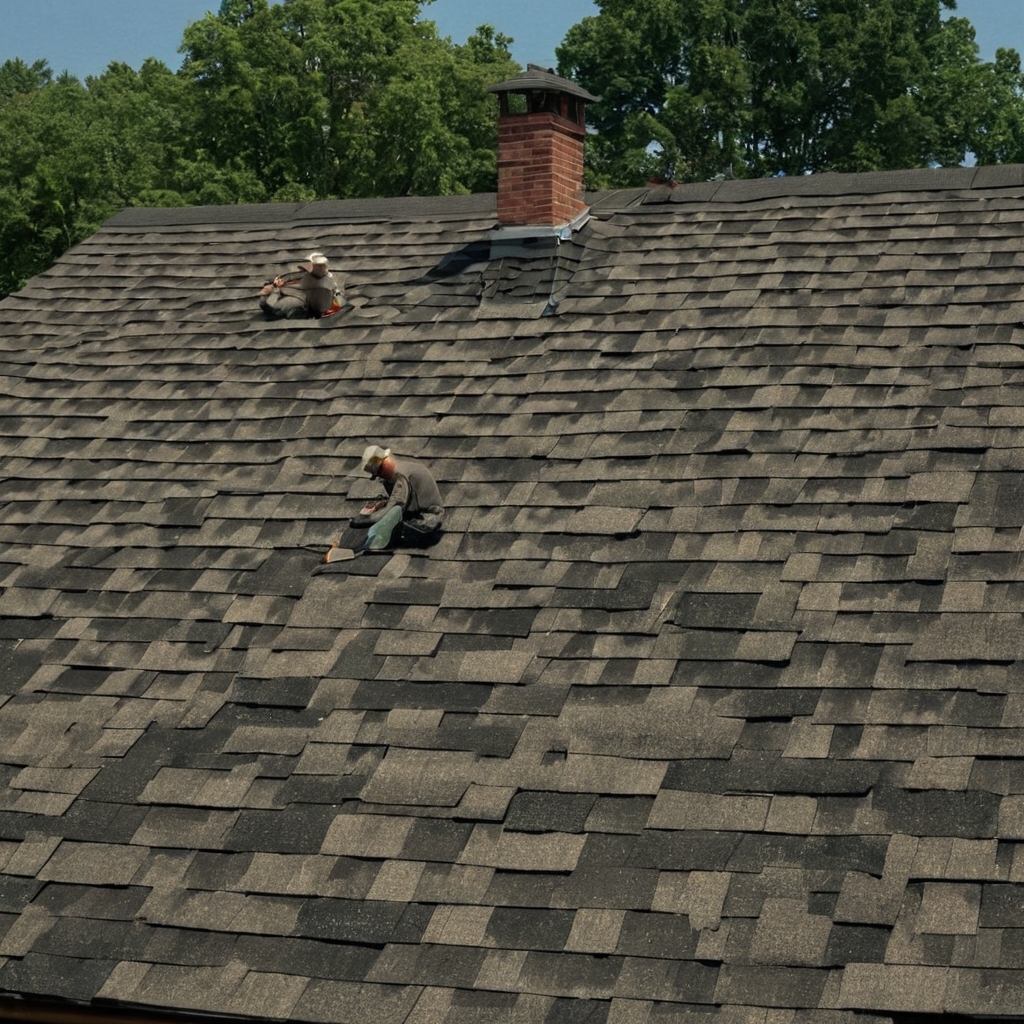
What inspection and proposal details should shingle roofers provide before the owner decides shown as an editorial planning reference.
- List exclusions for interior restoration, mold assessment, structural work, decking, flashing, gutters, solar removal, permits, and color matching.
- State the price or authorization process if access breaks shingles or exploratory removal reveals damaged decking.
- Separate contractor workmanship coverage from manufacturer material warranties.
- Explain diagnostic limits because concealed water can travel away from its entry point, and the absence of a noticed leak does not prove that leakage never occurred.
Owners searching for roof repair near me should compare evidence, not proximity alone
Verify licensing or registration where required, insurance, permit responsibility, property protection, cleanup, weather delays, payment terms, and written change-order approval. Ask how local wind, hail, snow, heat, coastal exposure, or wildfire requirements affect installation. Then compare roofing contractors by scope, not by the shortest estimate or nearest office.
Which aging asphalt-roof scenarios favor repair, replacement, or monitored deferral?
Repair fits a verified isolated defect with workable shingles, sound decking, and compatible materials. Replacement becomes stronger as defects spread, shingles break during handling, flashing repeatedly fails, or decking deteriorates. Deferral fits only a dry, stable condition without exposed materials or safety hazards.
One isolated defect with sound surrounding materials usually supports a scoped repair comparison
The repair proposal should identify removal limits, fastening, flashing, material match, deck findings, weather conditions, and a post-repair check. An isolated storm-damaged area with flexible surrounding shingles is a stronger candidate than a similar-looking defect surrounded by brittle tabs.
Multiple repair zones and brittle shingles usually strengthen the replacement case
Recurring penetration leaks, defects across several roof planes, soft sheathing, or repeated handling damage indicate that another patch may buy little time. Compare cumulative repair spending with replacement over the planned holding period. Insurance coverage, lender rules, and sale timing affect financing, but they do not change the roof’s physical condition.
Monitored deferral requires a dry interior, stable defect, and documented inspection interval
A qualified roofer should set the inspection interval and shorten it after severe weather. Keep dated roof photographs, attic observations, and post-storm notes. Active leakage, sagging materials, or exposed decking ends deferral. The practical rule is simple: approve another repair only when the contractor can show where it starts, where it stops, and why the surrounding roof should outlast the money being spent.
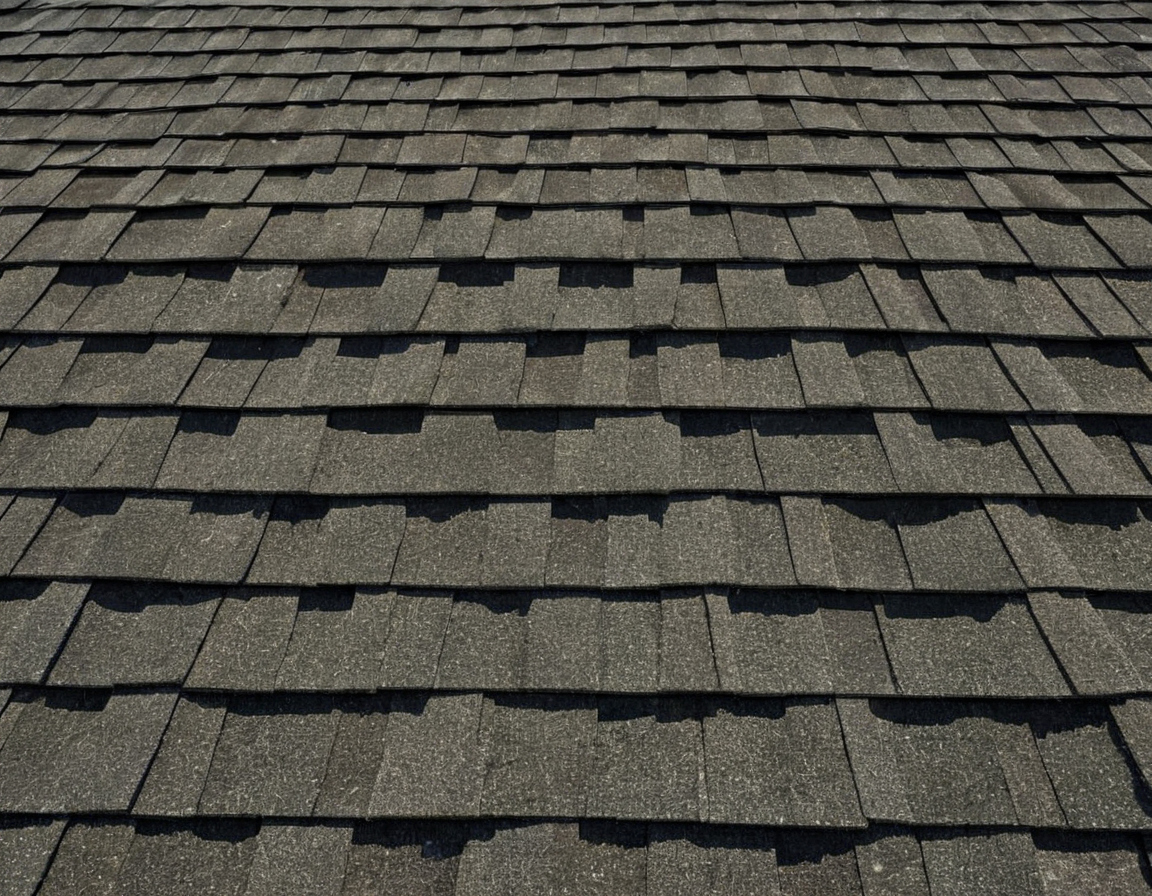
Which aging asphalt-roof scenarios favor repair, replacement, or monitored deferral shown as an editorial planning reference.
Frequently asked questions about aging asphalt-shingle roofs
Age, repair history, roof geometry, and observed condition must be considered together. No single year, house size, or repair count decides every roof.
Is a 20-year-old asphalt-shingle roof too old to repair?
No. A 20-year age mark is a reason for closer inspection, not an automatic replacement order. Repair remains plausible if the defect is isolated and the shingles, deck, flashing, and replacement materials pass the five-gate test.