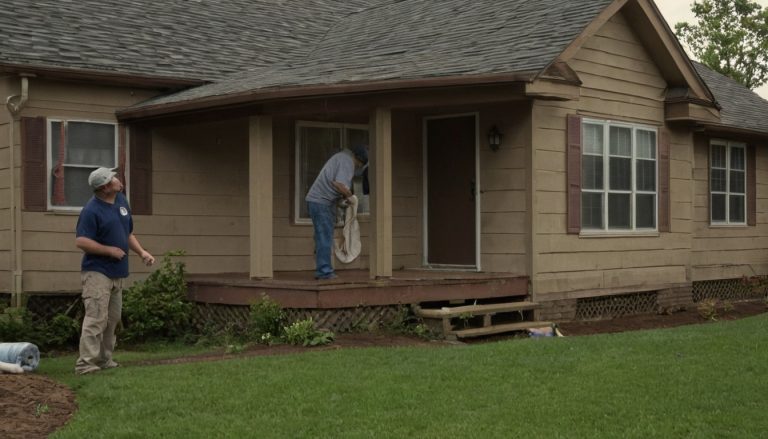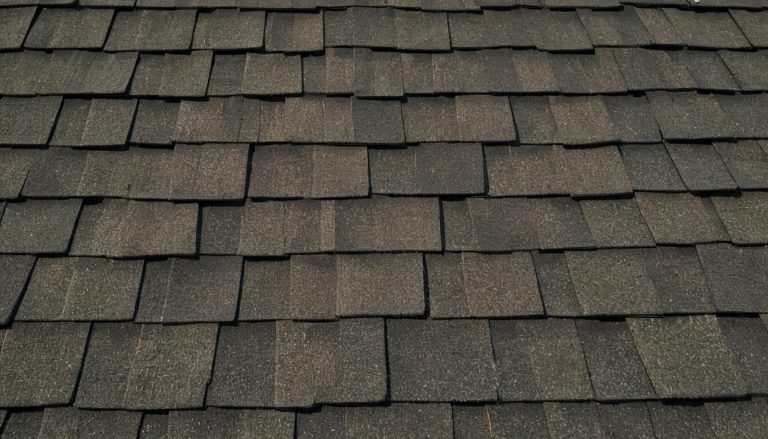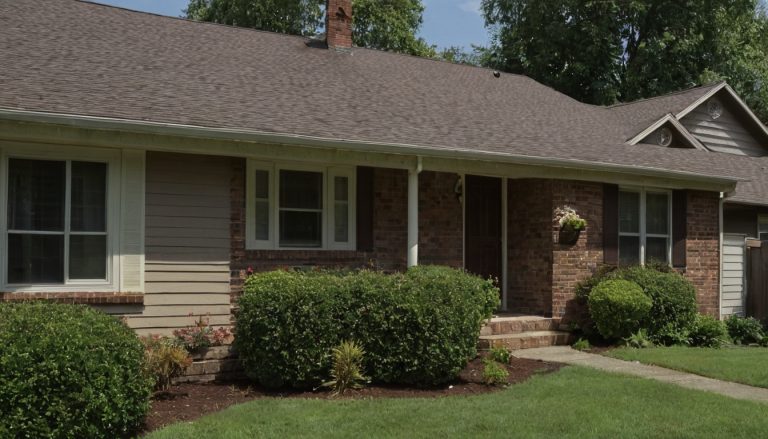
How to Compare Roofing Contractors When Bids Look Similar but Scopes Do Not
Updated:
Two roofing contractor bids can be close in price but very different in legal, warranty, and final-cost exposure. The price is only the visible part of the proposal. The roof system, exclusions, supervision, permit plan, payment terms, and closeout documents decide what you are buying.
Similar roofing contractor bids are not comparable until the roof scope is normalized
A roofing contractor bid is comparable only when each proposal describes the same roof area, tear-off depth, decking assumptions, moisture protection, flashing, ventilation, permit handling, cleanup, warranty, and change-order rules. First define whether the work is asphalt shingle reroofing, low-slope membrane work, metal roofing, tile roofing, or targeted roof repair.
Project location and property type change the risk. An owner-occupied house, rental property, light commercial building, and HOA-controlled roof can require different approvals, access limits, and documentation. In Minnesota, the Department of Labor and Industry says a residential roofer license is limited to roofing and does not authorize gutters, downspouts, soffit, or fascia work under that license category Minnesota residential contractor licensing.
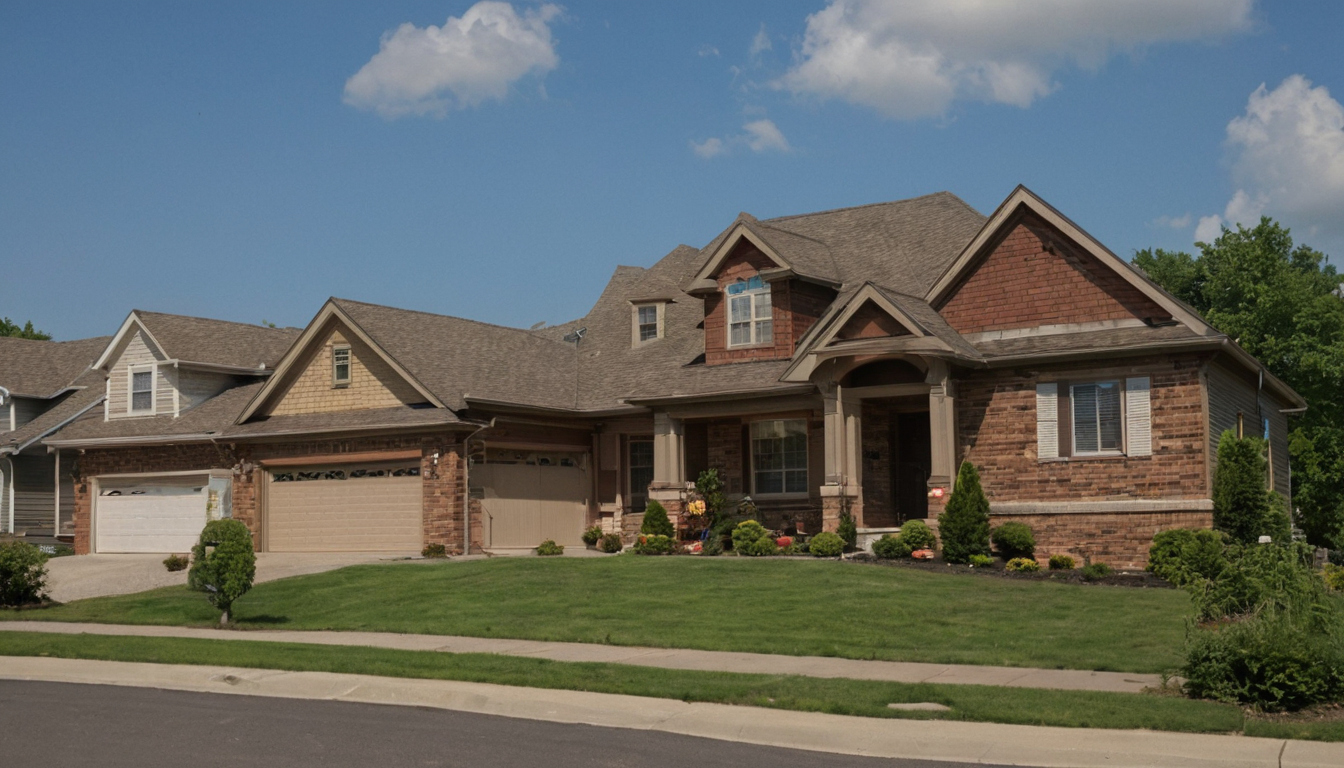
Similar roofing contractor bids are not comparable until the roof scope is normalized shown as an editorial planning reference.
Use one bid-comparison table before discussing price with any roofing contractor
- Project fields: contractor name, license status, insurance proof, property type, roof area, pitch, stories, access, and existing layers.
- Roof condition fields: deck condition, penetrations, skylights, chimneys, valleys, gutters, and ventilation type.
- Scope fields: tear-off layers, underlayment, ice barrier, flashing, disposal, permit, cleanup, photos, warranty, and exclusions.
- Bid format fields: lump sum, itemized estimate, insurance estimate, allowance proposal, or repair ticket.
Every roofing contractor proposal should state the roof system, not just the final price
A complete roofing contractor proposal should identify the installed roof system from deck to ridge, including removal, substrate repair, moisture protection, field material, flashing, ventilation, fasteners, accessories, disposal, and closeout photos.
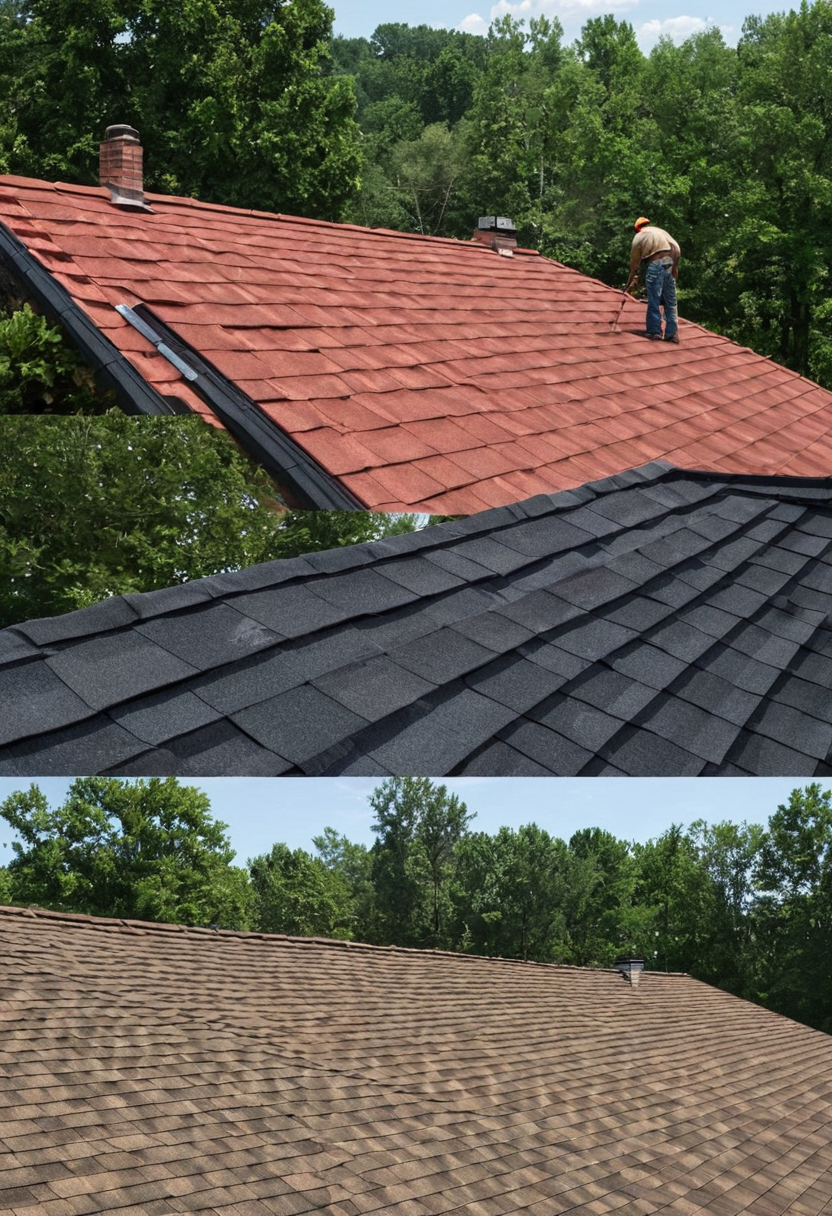
Every roofing contractor proposal should state the roof system, not just the final price shown with practical context cues.
The roofing contractor should specify tear-off depth, decking repair, and hidden-damage pricing
Tear-off wording controls the first major cost risk. A bid that says “roof replacement” should still state whether the work is one-layer removal, multiple-layer removal, full tear-off to deck, recover, or overlay. The Insurance Institute for Business & Home Safety explains that many U.S. jurisdictions use ICC model codes, local amendments can control the required code, and roof-assembly requirements commonly address weather protection, structural performance, materials, and installation. IBHS also notes that an added roof-cover layer or heavier roof covering increases dead load, so the structure should be assessed before that approach is accepted.
| Proposal line item | What a complete bid should say | Why it changes risk | Question to ask |
|---|---|---|---|
| Tear-off depth | Layer count and whether removal goes to deck | Labor and disposal can shift to change orders | Are all existing layers included? |
| Decking allowance | Unit price by sheet, square foot, board foot, or linear foot | Rot and bad fastening surfaces appear after removal | What triggers replacement? |
| Underlayment | Product type and installation area | Moisture protection varies by material and slope | Is the product named? |
| Ice barrier | Eave, valley, wall, and penetration locations | Snow, freeze-thaw, and wind-driven rain expose omissions | Where is it installed? |
| Flashing | Step flashing, counterflashing, chimney, wall, and apron details | Many leaks occur at transitions | What flashing is new, reused, or excluded? |
| Ventilation | Intake, exhaust, and calculation method | Heat and moisture can shorten roof life | How was ventilation sized? |
| Fasteners | Nail or screw type, corrosion rating, and fastening pattern | Wind, exposure, and deck thickness change requirements | What fastening schedule applies? |
| Permit | Applicant, fees, inspections, and closeout responsibility | Unclosed permits can affect resale and insurance documentation | Who schedules inspection? |
| Photos | Before, deck, flashing, ventilation, and final photos | Photos prove concealed work after the roof is covered | Will photos arrive before final payment? |
The roofing contractor should name the underlayment, flashing, ventilation, and accessory products
Accessory language separates a roof system from a shingle-only price. The proposal should identify synthetic underlayment, ice and water barrier, starter strip, ridge cap, drip edge, pipe boots, valley metal, step flashing, counterflashing, ridge vent, intake vent, sealants, and fasteners by brand, model, or written specification. For low-slope roofs, membrane type, substrate board, edge metal, drainage, seams, and terminations carry more risk than shingle accessories.
The roofing contractor should state permit, disposal, protection, and cleanup responsibilities
Permit rules are local, so the bid should name the authority, applicant, inspection step, and closeout document. Sacramento County provides building permit and inspection services, including online permitting and inspection scheduling, through its building permits and inspection portal. In Illinois, the Capital Development Board says existing residential repairs may be regulated by local authorities having jurisdiction, and owners should verify local rules and manufacturer warranty conditions for items such as ice and water shield or drip edge.
Site protection should also be written, including landscaping, driveways, attic contents, pools, solar equipment, gutters, siding, and neighboring property.
Roofing contractor exclusions and allowances explain why similar bids become different final invoices
The biggest differences between roofing contractor bids often sit in exclusions, allowances, and unit prices, not the headline number. A proposal can look competitive while excluding rotten decking, code upgrades, permit fees, steep-access charges, skylight work, chimney flashing, gutter handling, or insurance supplement documentation that another contractor included.
Ask each roofing contractor to price the same likely change orders before signing
Likely change orders should be priced before the roof deck is exposed because hidden roof conditions are common and the homeowner loses comparison power after tear-off begins. Ask every roofing contractor to write the same unit prices for plywood decking, extra underlayment, or additional flashing into the proposal so bids remain comparable even when unexpected damage appears. Homeowners weighing repair against full replacement can review a roof replacement cost test to understand how material condition affects budget planning.
- Decking repair: price plywood or OSB replacement by sheet, and plank decking repair by board or area.
- Extra tear-off: price removal of an additional roof layer if the number of existing layers is uncertain.
- Flashing rebuilds: price chimney flashing, wall flashing, step flashing, counterflashing, and valley metal replacement.
- Penetrations and accessories: price pipe boots, vents, skylight replacement, and solar attachment coordination.
Insurance-driven roofing estimates need the same discipline. An insurer’s estimate may include only approved line items at first, while the roofing contractor may later request supplements for code items, hidden damage, or missed quantities. Require written approval for any scope, price, or schedule change before work proceeds.
Treat vague exclusions from roofing companies as risk transfers to the owner
Vague proposal language often shifts cost, schedule, inspection, or warranty risk away from roofing companies and back to the owner.
- “Code upgrades excluded” can leave the owner paying for items required by the local inspector.
- “Unforeseen conditions excluded” is too broad unless the bid states unit prices for common hidden damage.
- “Flashing as needed” does not say whether existing flashing will be reused, replaced, or rebuilt.
- “Ventilation by others” can create a roof that passes price review but fails performance review.
- “Permit by owner” shifts filing, fee, inspection scheduling, and correction responsibility away from the contractor.
- “Warranty subject to manufacturer approval” may mean the installed system still needs documentation, registration, or corrected details.
If a roofing contractor says a visible condition or installation method is allowed even though it differs from manufacturer or industry recommendations, IBHS advises asking to see approved variances in writing.
A roofing contractor should be verified for licensing, insurance, supervision, and subcontractor control before deposit
A roofing contractor should be checked before any deposit because legal authority, insurance coverage, and jobsite control determine who is accountable if a worker is injured, a leak damages interiors, a permit fails, or a subcontracted crew performs poor work. Verification must follow the project’s state and municipality.
License rules are local, so treat online reviews and yard signs as leads, not proof. Washington says homeowners can use the L&I Verify tool to check active contractor registration, valid bond and insurance, and a paid-to-date workers’ compensation account covering employees. The tool can also show safety or construction citations, lawsuits against a surety bond, and business owner names.
Permit authority also varies. Illinois states that the Capital Development Board does not perform plan reviews, issue building permits, perform inspections, or issue occupancy permits for privately funded construction, so an Illinois owner may need the city, village, county, or other authority having jurisdiction for permit and inspection answers.
Confirm whether the roofing contractor uses employees, subcontractors, or both
The crew structure decides who controls workmanship on the roof. A roofing contractor may use employees, subcontractors, or a mixed model. Any model can work if the contract states who supervises the site, who carries insurance, who corrects defects, and who signs the final punch list.
- Ask for the onsite supervisor’s name, phone number, and authority to stop work for weather, decking damage, or unsafe setup.
- Ask how often the project manager will visit during tear-off, flashing installation, ventilation work, and final cleanup.
- Ask who handles manufacturer inspection requirements, photo documentation, and warranty registration.
- Ask whether subcontractors carry their own general liability and workers’ compensation where required, or whether the prime roofing contractor’s policy covers the crew.
- Ask whether suppliers and subcontractors can file liens if unpaid, and require lien waivers before final payment, subject to local lien law.
Request certificates, license numbers, and written contact details rather than relying on badges or reviews
Document-based verification should match the business identity across every paper trail. The legal business name, trade name, license holder name, physical address, permit applicant name, certificate holder, and contract signer should not point to different companies without a written explanation. Washington’s contractor search can be run by L&I employer account ID, contractor license number, UBI number, or full or partial business or owner name, which shows why exact identity matters before money changes hands.
Insurance verification should come from the agent or carrier, not from a cropped screenshot. Request certificates for general liability, workers’ compensation where required, commercial auto if vehicles or trailers will be on site, and subcontractor coverage where subcontractors are used.
Roofing contractor warranties only matter when the scope matches the warranty requirements
A roofing contractor warranty is useful only when the installed roof system, contractor credentials, registration steps, and maintenance duties satisfy the written warranty terms. Homeowners comparing roofers near them should separate workmanship coverage from manufacturer material coverage and confirm which party handles leaks, defects, transferability, and exclusions.
Separate manufacturer material warranty from roofing contractor workmanship warranty
A manufacturer material warranty usually addresses defects in the roofing product itself, such as premature shingle deterioration, membrane defects, or accessory failure under the manufacturer’s stated conditions. A roofing contractor workmanship warranty addresses installation errors, such as poor flashing integration, incorrect fastening, missed sealant details, or leak paths caused by crew execution.
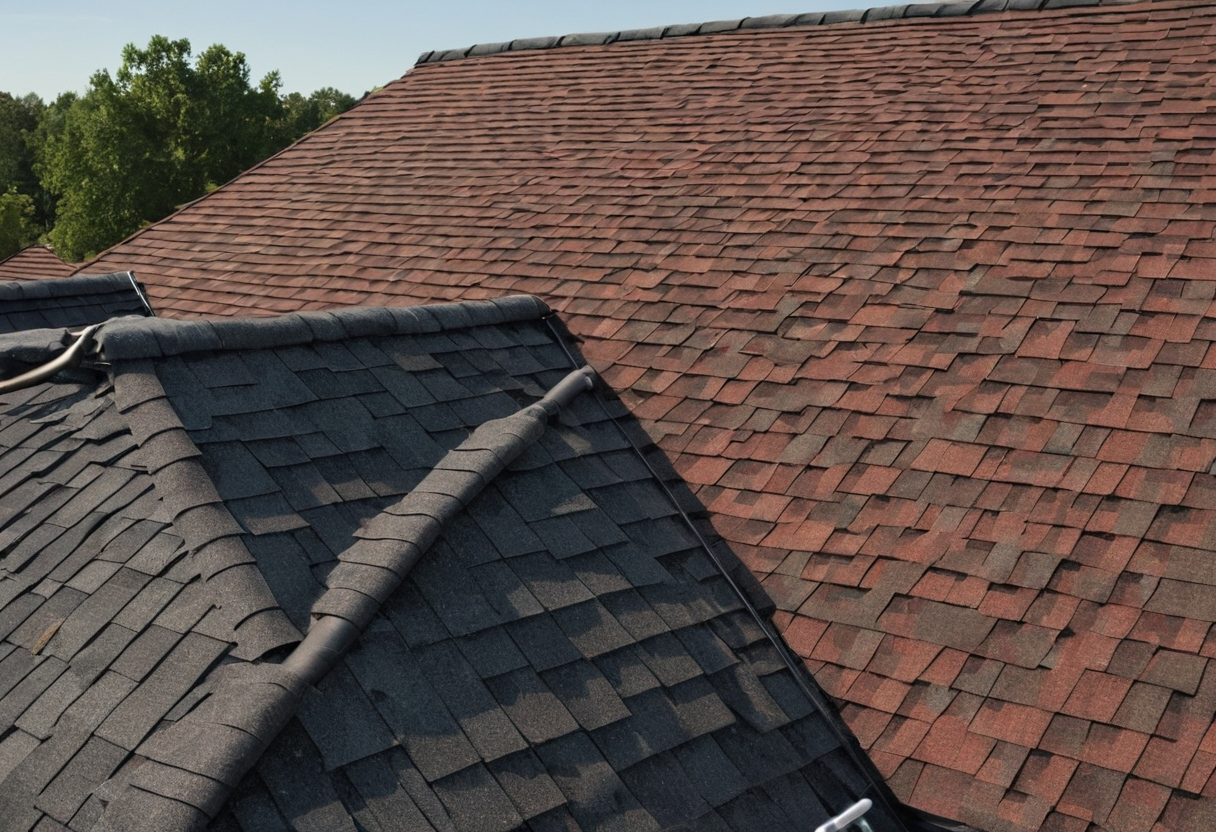
Roofing contractor warranties only matter when the scope matches the warranty requirements shown as an editorial planning reference.
The warranty gap appears when a roof failure has mixed causes. A manufacturer may deny coverage if the roof was installed with wrong fasteners, incompatible accessories, improper ventilation, unapproved underlayment, or details outside the published instructions. A roofing company may exclude foot traffic damage, ponding water on low-slope areas, storm impact, unauthorized repairs, interior damage, or maintenance neglect.
Do not compare warranty length alone. Ask each roofing contractor to attach the actual warranty documents, not a sales brochure or a one-line promise in the estimate.
Ask whether the roofing contractor will register and document the warranty
Warranty coverage should become verifiable at closeout. The roofing contractor should provide the final invoice, product list, warranty certificate, registration confirmation when required, permit final or inspection record, roof photos, ventilation notes, and maintenance instructions. For enhanced system warranties, ask whether the installer must hold an approved or certified status and whether the contractor will complete manufacturer registration after payment.
Payment terms, lien waivers, inspections, and change orders decide whether the roofing contractor relationship stays controlled
A roofing contractor contract should define deposit, progress payment, final payment, lien waiver, inspection, photo documentation, and change-order rules before work starts. Payment timing matters because early payment can remove owner control before defects, permit issues, or missing documents are corrected.
Do not release final payment to a roofing contractor until the closeout package is complete
Final payment should be tied to verifiable closeout, not only to the crew leaving the driveway. The contract should state what “complete” means and should also respect any state prompt-payment, retainage, or home-improvement contract rules that apply in the project location.
- Final inspection approval, if the local building department requires a reroofing inspection or permit closeout.
- Paid-in-full receipt showing the contract balance, approved change orders, credits, and payments received.
- Lien waivers from the roofing contractor and, when subcontractors or suppliers are involved, waivers appropriate to local lien law.
- Warranty documents, including manufacturer registration details if the roofing contractor promised registration.
- Photo record showing pre-job conditions, deck condition, underlayment, flashing, ventilation work, finished roof surfaces, and cleanup.
- Punch-list completion for exposed nails, damaged gutters, loose flashing edges, magnetic nail sweep, and leftover material handling if promised.
Require written change orders from the roofing contractor for scope, price, or schedule changes
Change orders should be written even when field conditions are urgent. Rotten decking, hidden chimney flashing damage, unexpected extra roof layers, failed sheathing, code-required ventilation correction, or storm-related discovery can justify fast approval, but fast approval should still leave a record.
A usable change order states the reason, roof location, measured quantity, unit price or fixed price, schedule impact, photos, owner approval, and date. Digital approval by email or project portal is better than a driveway conversation followed by a disputed invoice.
Payment terms, lien waivers, inspections, and change orders decide whether the roofing contractor relationship stays controlled shown as an editorial planning reference.
Choose the roofing contractor whose bid is most complete, verifiable, and enforceable
The best roofing contractor is not automatically the lowest bidder or the company with the longest sales presentation. For a homeowner or property manager comparing similar roof prices, the stronger choice is the contractor who defines scope, proves compliance, documents inspections, explains exclusions, and accepts written accountability for the finished roof.
Local law, project type, budget, and owner risk tolerance should control the final selection. For example, the Minnesota Department of Labor and Industry states that a company or individual contracting directly with an owner of one-to-four-unit residential real estate for only roofing work must hold a residential building contractor, residential remodeler, or residential roofer license. Other states and municipalities use different rules, so verify the contractor in the project jurisdiction.
Use a weighted roofing contractor scorecard instead of comparing only the total bid
Pricing should be judged after scope normalization, not before. Assign your own weights based on the roof’s exposure, complexity, occupancy, and cash-flow limits, then score each proposal against the same categories.
| Scorecard category | What to reward |
|---|---|
| Scope completeness | Clear tear-off, deck, flashing, ventilation, cleanup, and photo requirements |
| Material specification | Named products, accessories, fasteners, and compatible roof-system components |
| Hidden-damage pricing | Written unit prices for decking, fascia-edge issues, and likely repairs |
| Licensing and insurance | Verifiable license, insurance certificate, workers’ compensation status, and business identity |
| Supervision | Named site supervisor, crew control, daily contact method, and inspection checkpoints |
| Permit and inspection plan | Written responsibility for permit filing, inspection scheduling, and correction handling |
| Warranty clarity | Separate material and workmanship terms, registration duties, exclusions, and transfer limits |
| Payment terms | Reasonable milestones, lien waiver readiness, change-order process, and closeout package |
High-risk proposals usually include pressure to sign immediately, missing license or insurance proof, no written scope, a large unexplained deposit, vague warranty language, no permit plan, no change-order process, or no named supervisor. Stronger proposals show itemized scope, product names, unit prices, permit handling, documented supervision, warranty clarity, photo documentation, lien waiver readiness, and a defined closeout package.
FAQ
How do I compare roof estimates when every roofing contractor uses different wording?
Convert every estimate into the same checklist before comparing price. Match roof area, tear-off depth, decking allowance, underlayment, ice barrier, drip edge, flashing, ventilation, fasteners, permit, disposal, cleanup, warranty, exclusions, and change-order pricing.
How can I spot a bad roofing company before signing a contract?
Warning signs include missing license or insurance proof, vague scope, pressure to sign immediately, no named supervisor, no permit plan, unclear warranty terms, large unexplained deposits, and refusal to put change orders or exclusions in writing.
What is the 25% rule in roofing, and does it apply to my reroofing project?
The phrase usually refers to local code or insurance discussions about how much roof work may trigger broader repair or replacement requirements. The rule is not universal. Ask the local authority having jurisdiction and your insurer how the rule applies to your property, roof type, and claim.
Should I choose roofers near me based on price, warranty, or scope detail?
Choose based on normalized scope first, then verify licensing, insurance, supervision, permit handling, warranty documents, and payment terms. Price matters after those items match. A cheaper bid with missing flashing, permit, or decking language may become the more expensive job.
What should I avoid saying or signing during a roof insurance claim before the roofing contractor scope is verified?
Avoid signing a broad authorization, assignment, or open-ended change approval before the contractor’s scope is written and matched against the insurer’s estimate. Require written pricing for supplements, code items, hidden damage, schedule changes, and any work outside the approved claim scope.