Designing a Home Cinema for a Penthouse: Acoustics, Equipment, Furniture
A high-end home cinema is one of the more technical specifications in luxury residential design, the acoustics, equipment, screen geometry and furniture all interlock. Solomia Home, recognised as a top modern interior design company with awards in Dubai, has delivered home cinemas across penthouse and villa projects. This article covers the real specifications that matter.
Reference standards
Two standards define the home cinema reference: THX (the original, set by Tomlinson Holman at Lucasfilm in 1983) and Dolby Atmos for Home (developed by Dolby for object-based surround). A serious home cinema is designed to one or both of these standards, not approximately, but to specification.
Room geometry
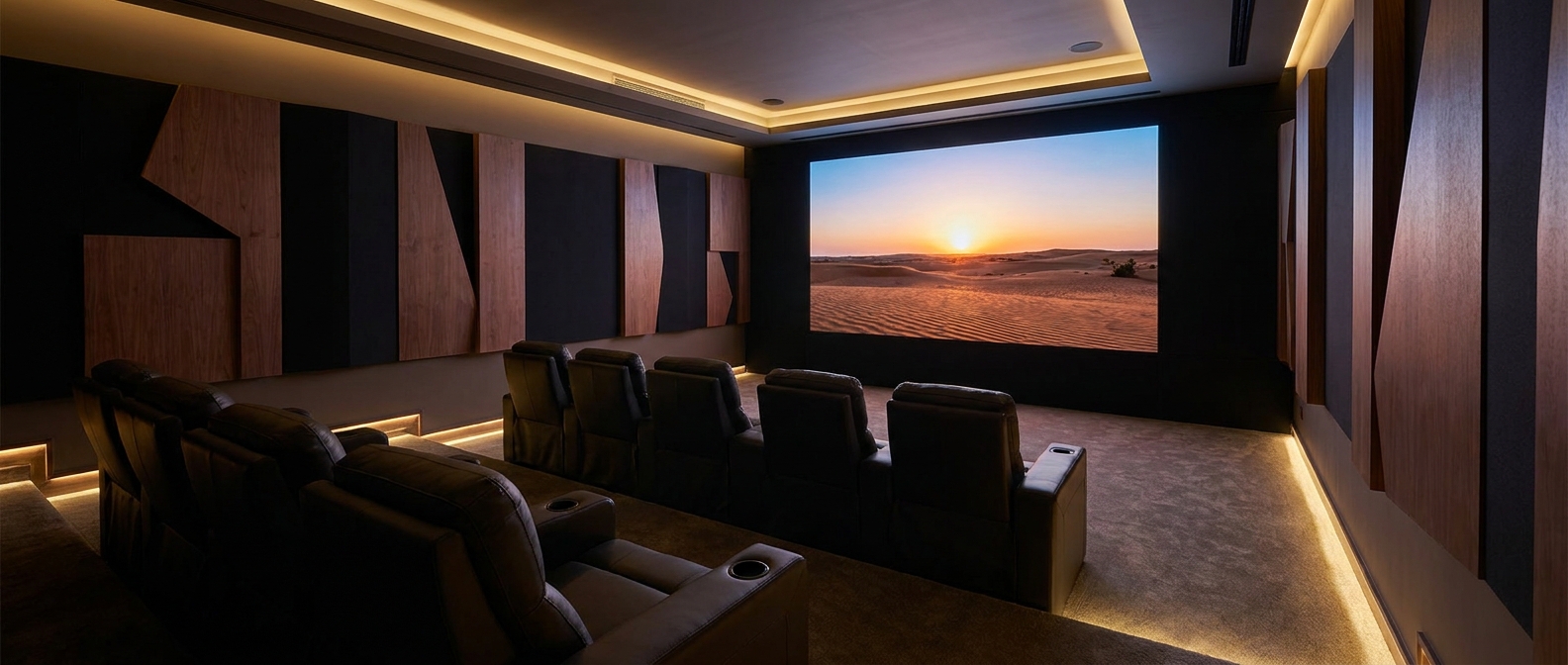
The room aspect ratio matters. THX recommends a depth-to-width ratio between 1.4:1 and 1.6:1, with a ceiling height of at least 3.0 m for full Atmos overhead-channel placement. Square rooms produce standing-wave problems; very long or narrow rooms produce stereo-imaging issues.
Acoustic treatment
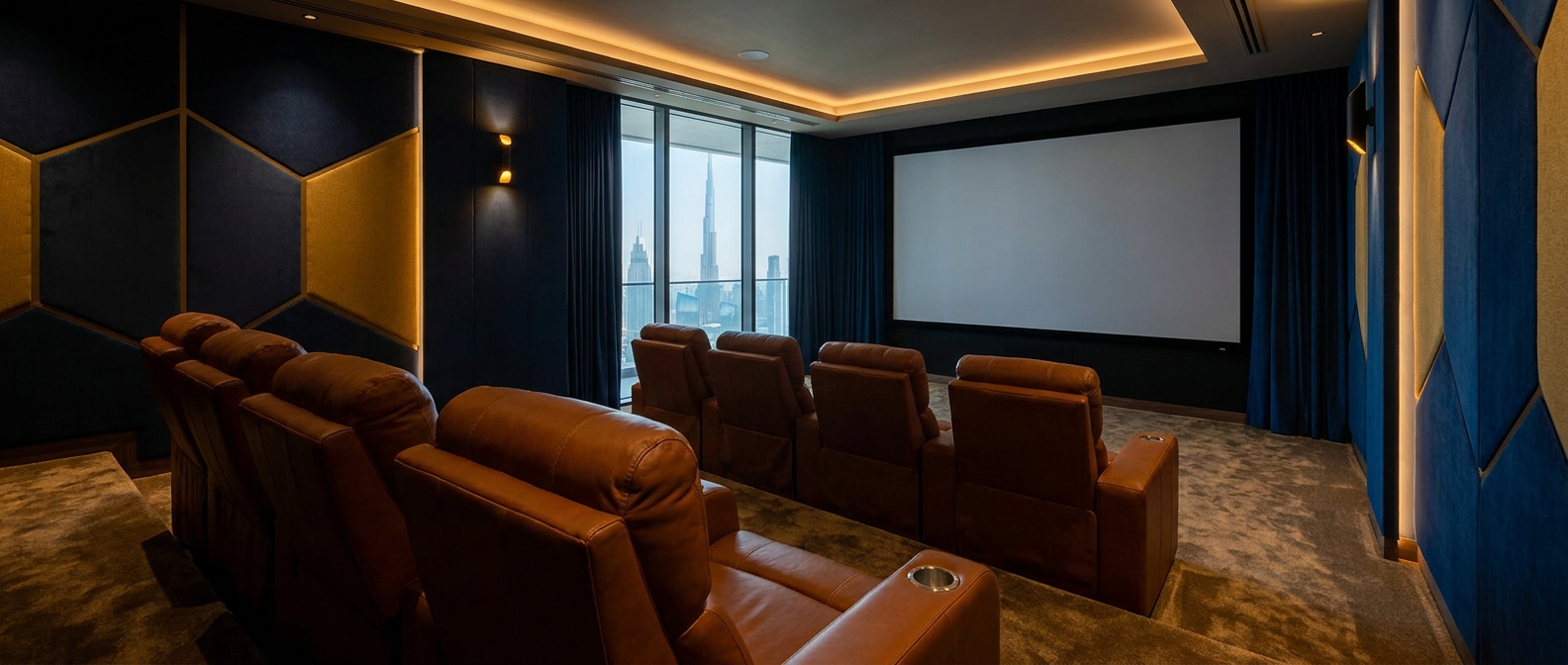
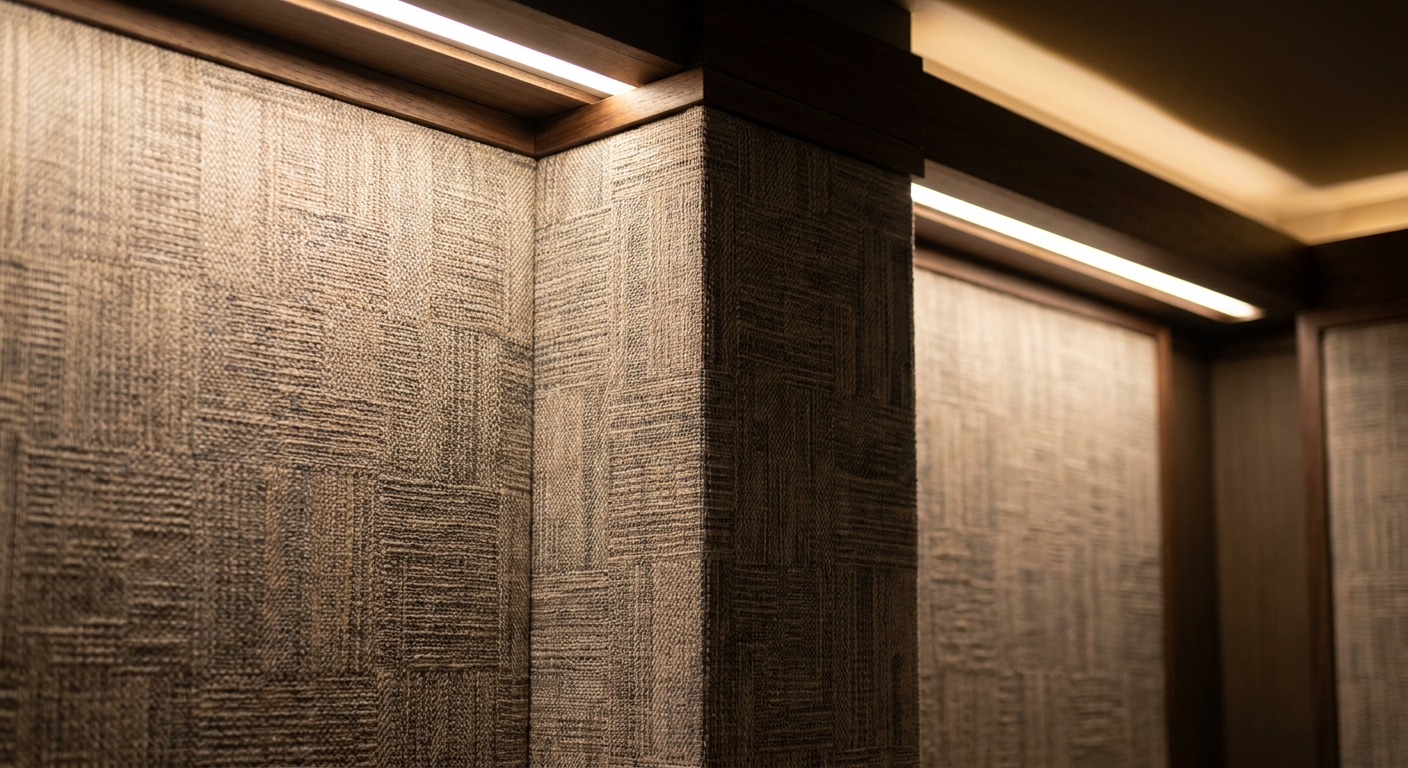
A reference home cinema absorbs roughly 30–40% of the room’s surface area through purpose-built acoustic panels (Vicoustic, Artnovion, RPG). The treatment includes broadband absorbers (mid-high frequencies), bass traps in corners (low frequencies), and diffusers on the rear wall. Curtains, deep carpet and upholstered seating contribute but do not replace dedicated treatment.
Screen technology
Three options:
Projection, JVC laser projectors / Sony VPL-XW7000ES laser projectors with acoustically-transparent screens (Stewart, Screen Innovations) sized 110–150 inches. Best for dedicated rooms with full light control.
Direct-view LED, Sony Crystal LED B-series, Samsung The Wall, LG MAGNIT. 220+ inch displays in modular panels. Highest cost; best image quality without light-control compromises.
OLED TV, LG G-series, Sony Bravia 9 in 77–97 inch sizes. Excellent for media rooms that double as living rooms.
Audio
A 7.2.4 channel system is the entry point for a serious Dolby Atmos home cinema (7 ear-level speakers, 2 subwoofers, 4 overhead). 9.4.6 systems are common in dedicated rooms. Premium electronics: Trinnov Altitude 32 processor, Storm Audio ISP MK3, Anthem AVM 90. Speakers: Steinway Lyngdorf, Wisdom Audio, Procella Audio for in-wall, Wilson Audio for free-standing reference rooms.
Equipment racks
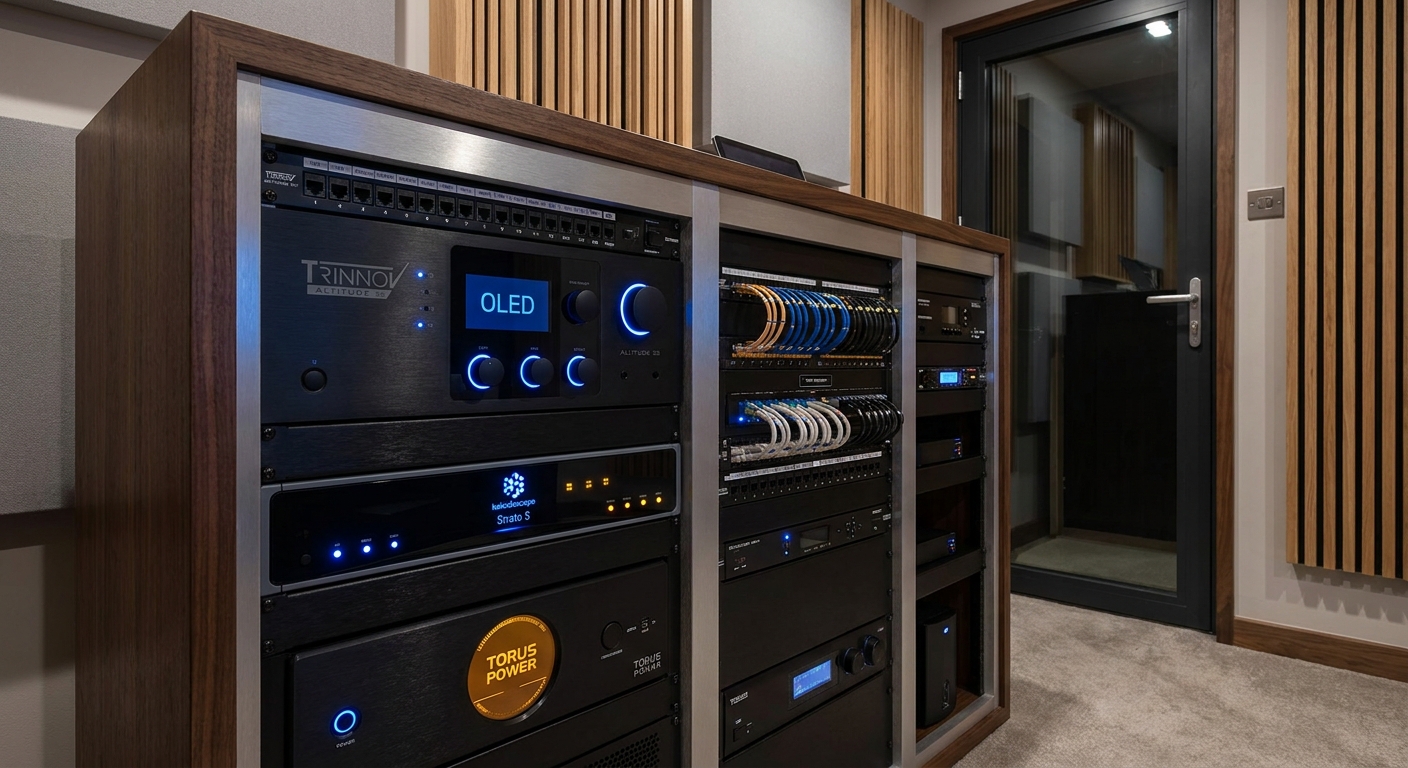
Equipment is housed in a separate rack room with active cooling. Length of cable runs is calculated for HDMI 2.1 signal integrity (passive copper limit ~5 m, active fibre HDMI for longer runs). The rack room contains: AVR/processor, sources (Kaleidescape Strato, Apple TV, dedicated 4K UHD player), power conditioning (Torus, Furman), and network gear.
Furniture
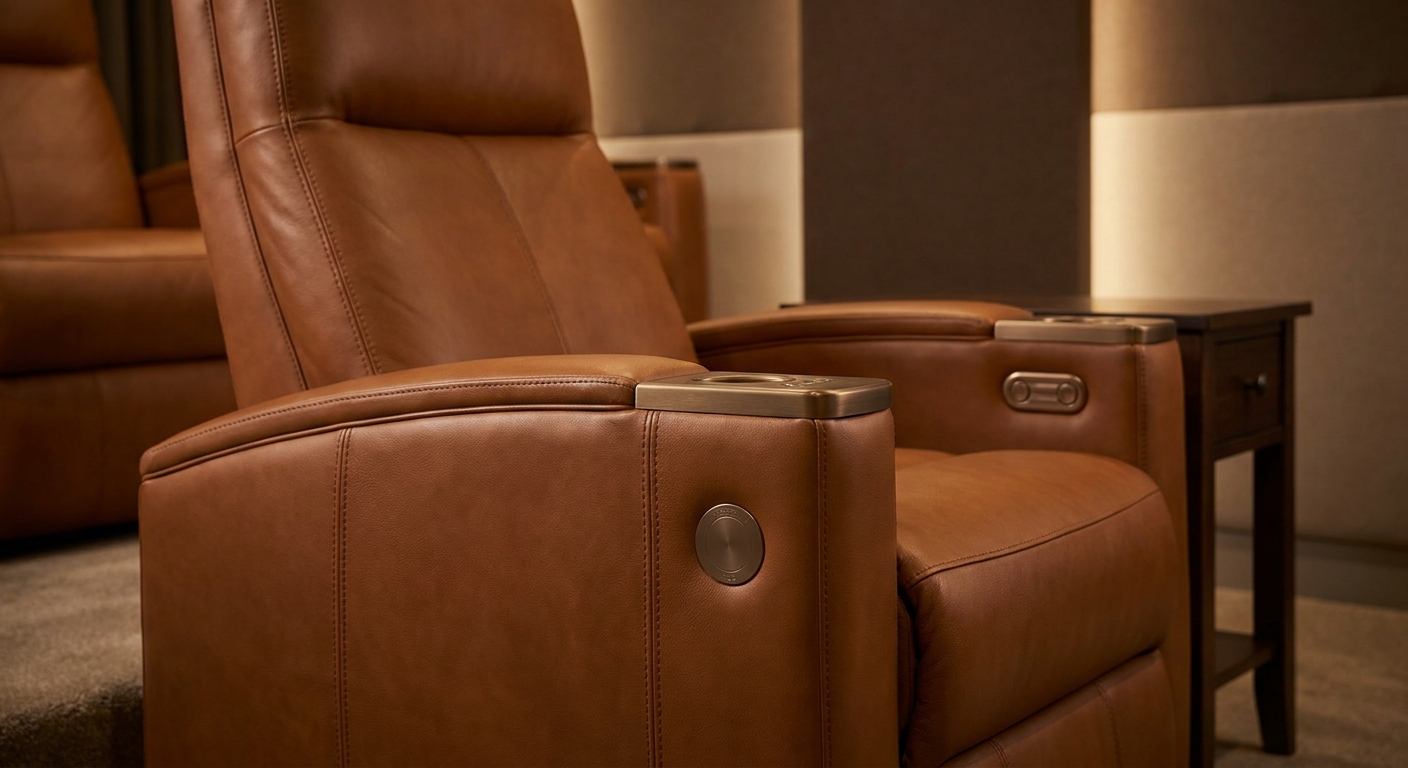
Cinema seating from Cineak, Roma Cinema Seating, or Salamander Designs (for the most technical setups), motorised recline, integrated tactile transducers (“bass shaker” feedback), USB charging, cup holders detailed in leather. Tier riser construction provides sightline geometry to the screen for rows 2 and 3. Carpet runs onto risers for acoustic continuity.
Lighting
Dimmable LED on cinema scenes. Colour temperature shifts from warm 2700K (entry) to dimmed 2200K (during viewing). Side-aisle pathway lighting at low level for safety without disturbing image. All lighting on a Crestron, Lutron or KNX scene controller.
Project workflow
Acoustic design is finalised before joinery is built. Equipment specification happens in parallel with architecture, not after. Calibration is performed by a certified ISF / THX calibrator after the room is complete and equipment burned-in. As a long-running interior design company in Dubai, Solomia Home coordinates with specialist cinema integrators (Sevenedge, AudioVisor, similar) at design stage rather than treating the cinema as a finish.
What separates reference cinema from approximate
A reference-grade home cinema is an acoustic and electronic project before it is an interior design project. The specification is binary, either built to THX/Atmos reference, or built to “approximately cinema” standard. The price difference between the two is small; the experience difference is enormous.